
Fill out this form, and our specialist will contact you shortly
Featured properties
BUY
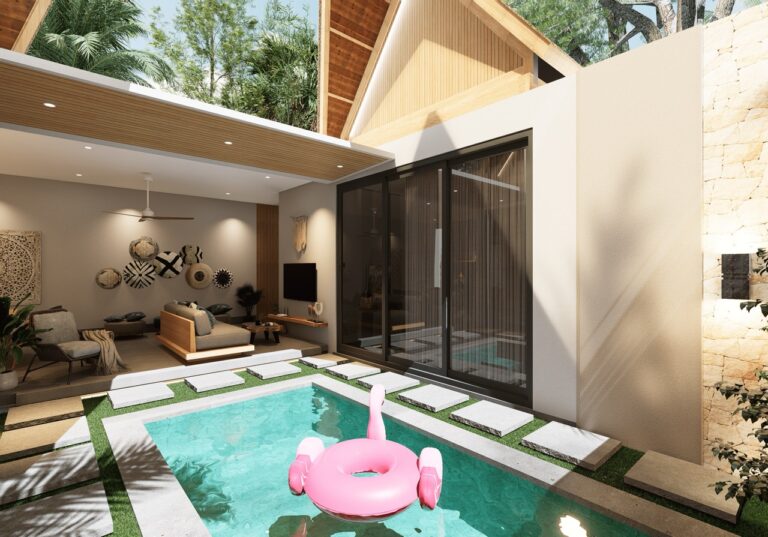
FOR SALE
Modern Tropical 1-Bedroom Villa in Seminyak with Private Pool
2 500 000 000


IDR
- USD $
- EUR €
- AUD $
- GBP £
- IDR Rp
All prices are in IDR. Other currencies are for reference only. Prices may change; please contact our manager for the latest rates
 Seminyak
Leasehold
DRP005
93 m²
BEDS: 2
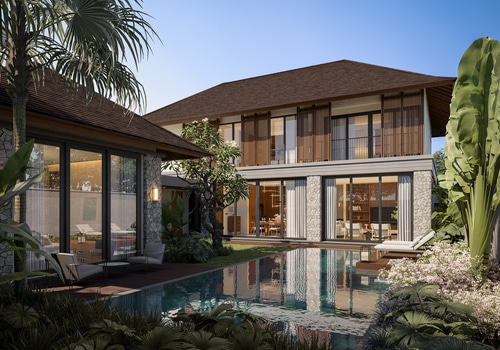
FOR SALE
4BR Sustainable Luxury Villa in Jimbaran Bali – Freehold Title
22 500 000 000
IDR
- USD $
- EUR €
- AUD $
- GBP £
- IDR Rp
All prices are in IDR. Other currencies are for reference only. Prices may change; please contact our manager for the latest rates
JimbaranFreehold
DJB030_J
470 m²
BEDS: 4
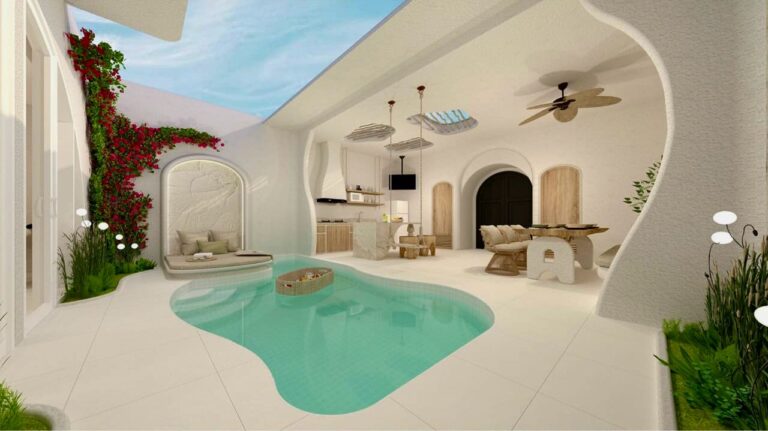
FOR SALE
2-Bedroom Mediterranean Villa in Ungasan With Private Pool
3 358 000 000
IDR
- USD $
- EUR €
- AUD $
- GBP £
- IDR Rp
All prices are in IDR. Other currencies are for reference only. Prices may change; please contact our manager for the latest rates
UngasanFreehold
DRP004B
156 m²
BEDS: 2
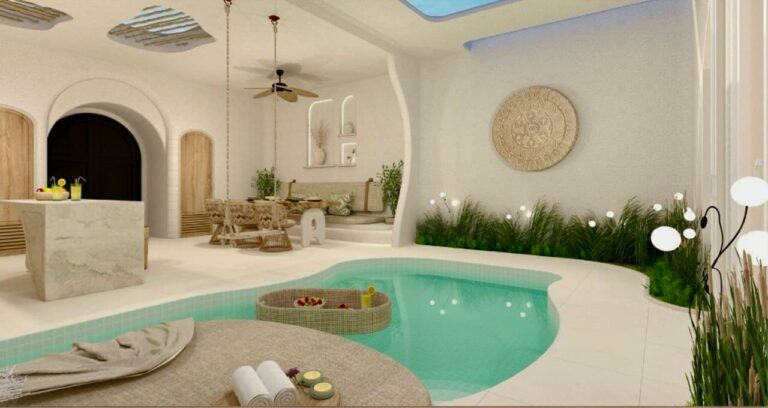
FOR SALE
Ungasan 3-Bedroom Mediterranean Family Villa With Private Pool
4 988 000 000
IDR
- USD $
- EUR €
- AUD $
- GBP £
- IDR Rp
All prices are in IDR. Other currencies are for reference only. Prices may change; please contact our manager for the latest rates
UngasanFreehold
DRP004B3
245 m²
BEDS: 3
FOR SALE
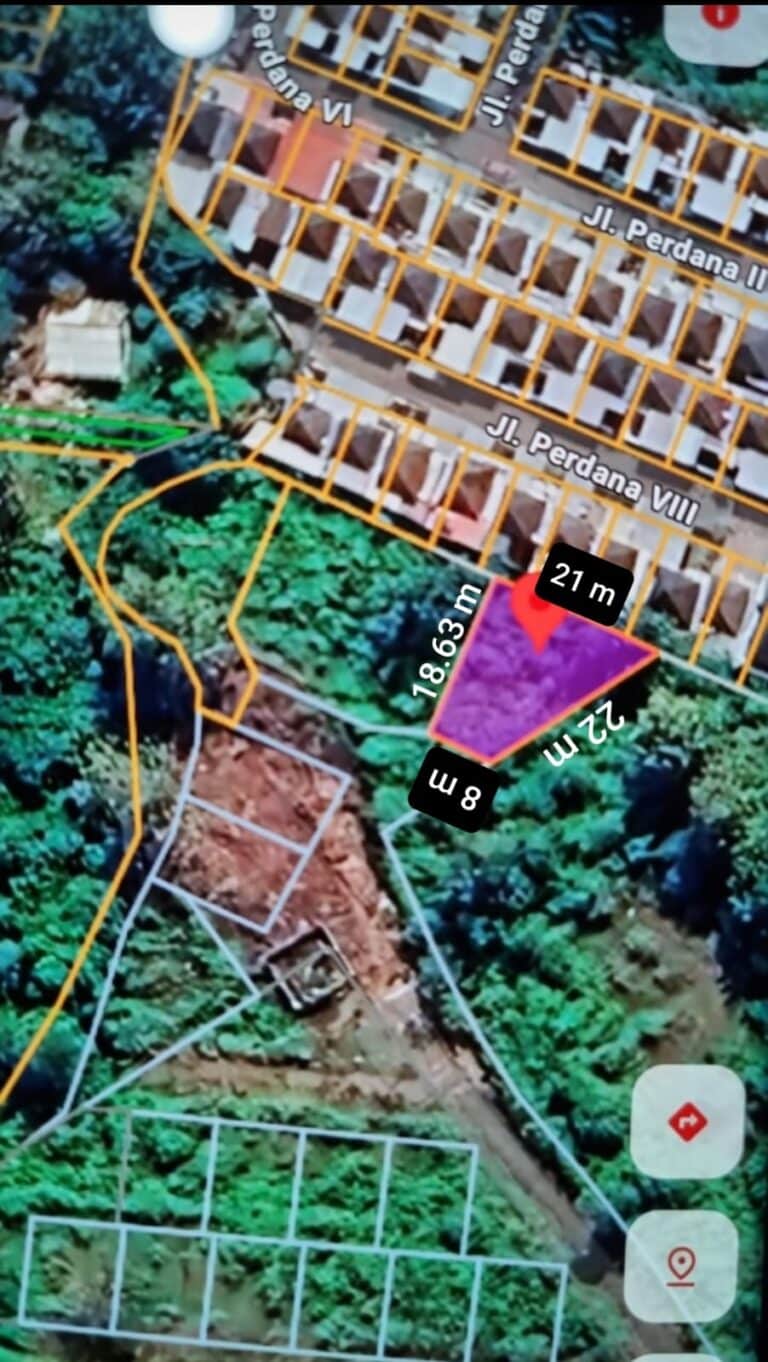
Land For Sale 2,7 are Nusa Dua. Leasehold 30 Years
1 800 000 000
IDR
- USD $
- EUR €
- AUD $
- GBP £
- IDR Rp
All prices are in IDR. Other currencies are for reference only. Prices may change; please contact our manager for the latest rates
Nusa DuaLease/Freehold
LJB001
270 m²
FOR SALE
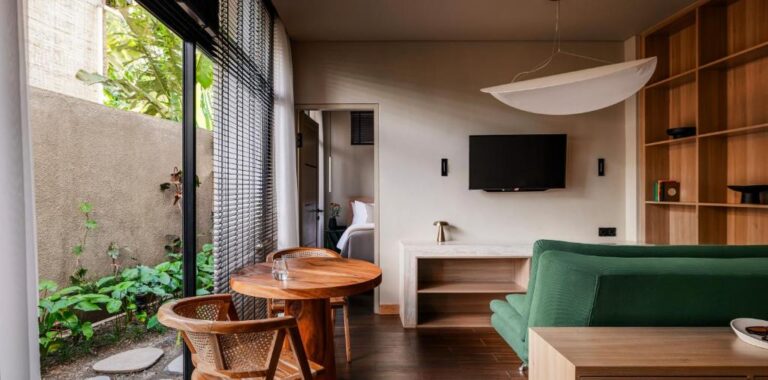
1 Bedroom Apartment In Canggu With Private Tropical Garden
2 650 000 000
IDR
- USD $
- EUR €
- AUD $
- GBP £
- IDR Rp
All prices are in IDR. Other currencies are for reference only. Prices may change; please contact our manager for the latest rates
CangguLease/Freehold
DRP003
69 m²
BEDS: 1

